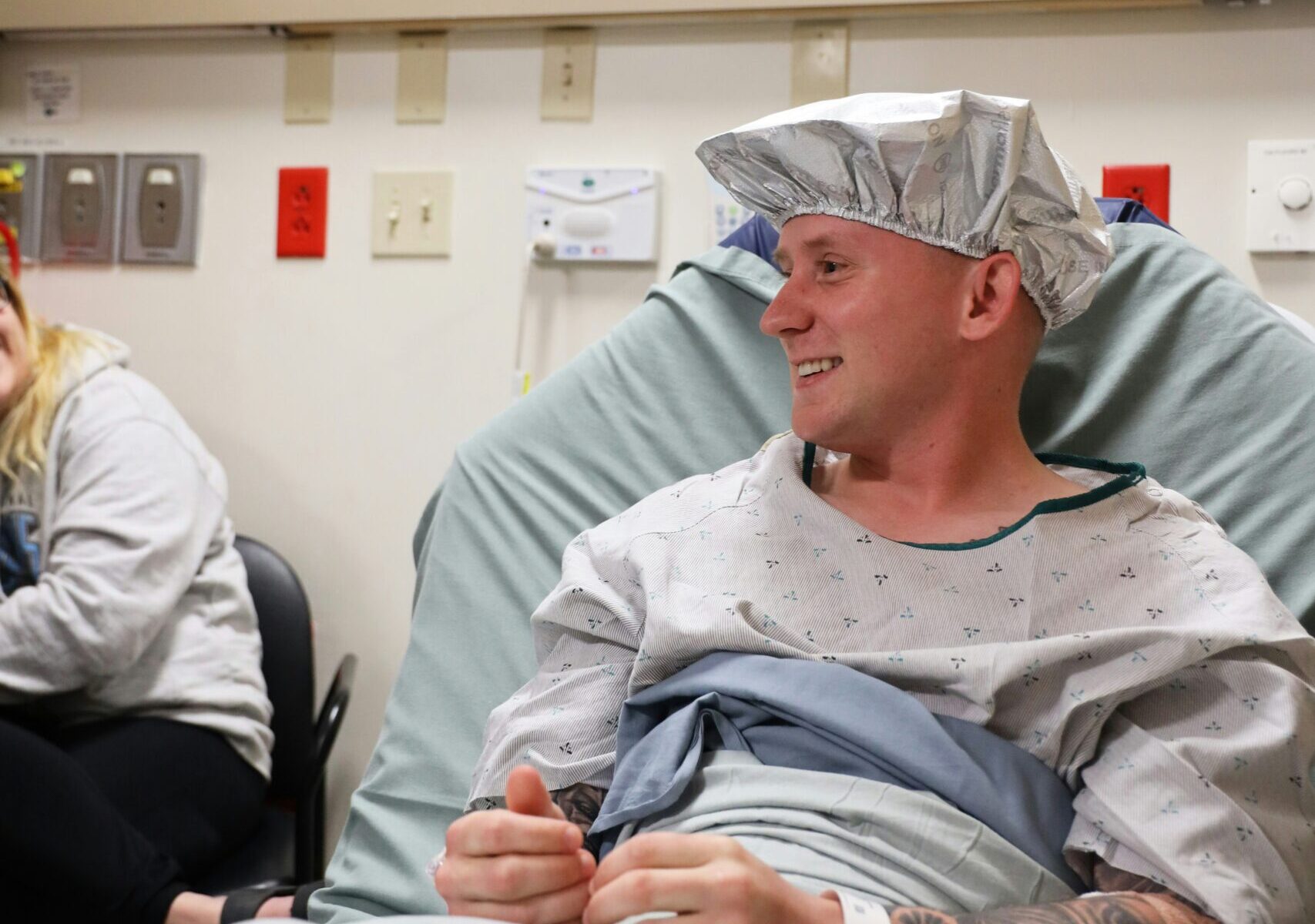
Photo by Navy Medicine on Unsplash
In 2025, I had a robot-assisted total hysterectomy with bilateral salpingo-oophorectomy. In other words, I had my uterus, ovaries, fallopian tubes, and cervix removed. My goal for this post is to share about my experience with recovery. As a trans man taking testosterone, my recovery differed than a cis woman’s recovery from the same surgery.
I am not a doctor or medical professional, so don’t take this as medical advice, but perhaps my story can be helpful in knowing what to expect.
Before Surgery
For a while after starting testosterone, my period stopped. This was normal. Then it came back, even though my testosterone level was above average. This was a concern. For reference, I was taking 100mg subcutaneously each week, and my testosterone measured close to 1000ng/dl at the end of my cycle.
I went in for a pelvic ultrasound, which showed a mass on my ovary. Then, my doctor ordered an MRI, which showed that my mass was about 4 inches in diameter. I saw a gynecologist who told me about my options for surgery. Then, I saw a surgical gynecology oncologist. She administered a pelvic exam. She recommended taking out both ovaries and fallopian tubes. I asked if she would perform a total hysterectomy, and she agreed. We set a surgery date about a month away from that appointment.
I had to get medical leave from work. This varies by state, but it involved having my doctor sign some forms and explain my condition.
I didn’t have a pre-op appointment, but I received a phone call in the week before surgery to go over what I needed to do the night before and the morning of surgery.
The surgery cost me over $6,000 after insurance. They called me the night before surgery to set up a payment plan.
There were a couple of things I had to do to prepare. First, I had to stop taking any supplements a week prior to surgery. This was hard for me because my supplements prevent some pretty intense pain (a story for another post). The other thing I had to do was shower with antibacterial soap the night before and the morning of my surgery.
The Day of Surgery
My surgery was at 6:00 in the morning, as early as possible. I had to get there a couple of hours early. It was still dark out when I arrived at the hospital. I checked in, and the hospital workers showed me to the surgery waiting room. I spent about half an hour waiting before a nurse showed me to my hospital bed.
It was a little room with a curtain separating it from the hallway. It seemed like a normal doctor’s office exam room, except the bed had wheels. The nurse told me to undress, wipe myself down with antibacterial wipes, and then get dressed in the gown. They also gave me grippy socks and a hairnet. Anything that could come off had to, which included my piercings.
There were a few different medications they had me take prior to surgery. Some were through an IV and some were pills. I was so disoriented that I now don’t remember what any of it was. They told me the name of each medication and asked for consent before giving me anything.
The entire surgical team introduced themselves to me. I mostly remember the surgeon and the anaesthesiologist.
Throughout this entire morning, a few people struggled with my gender. Most of the hospital staff gendered me correctly (I look like any other man), but due to the nature of the surgery, some nurses and the anaesthesiologist referred to me as female.
My mom and partner came into the room to wait with me and hear from the surgeon. Then, I was asleep.
A nurse woke me up. It seemed like they were in a rush to get me out. I was in immense pain and could hardly move. The nurse got me to transfer to a wheelchair and helped me to the bathroom. I went to the bathroom, put on a thick menstrual pad, and put my clothes back on. They told me to leave my gown in a bin in the bathroom. After the bathroom, they gave me a refillable ice pack for the pain. They wheeled me to my mom’s car. She had picked up my medication for me while I was in surgery.
I sat in the back seat and needed my partner to help me with the seatbelt. Luckily, the drive to my apartment was only about 5 minutes. I needed help to climb the stairs on the way in, and when I got inside, I immediately collapsed on the bed.
My mom asked if I needed anything. She then went to a corner store to get me an electrolyte drink and a snack.
When I was feeling marginally better, my mom showed me some pictures that the surgeon took, so I saw the tumor that the surgeon removed.
I have a high pain tolerance, but the day of surgery was the worst pain I’ve ever been in, despite the prescribed pain medication.
After Surgery
The days after surgery, my goal was to walk as much as possible. I have a tiny apartment, but I walked back and forth from one end to the other repeatedly. Eventually, I could walk around the block, and I slowly started walking further distances.
I haven’t had top surgery, and I couldn’t wear a binder or TransTape through this healing process. It was the end of summer, but I always wore a loose flannel or a jacket to hide my chest when I went for walks. It also helped that I hunched over and held an ice pack to my abdomen.
To help with the pain, I took medication, and I usually had an ice pack on. I did 15 minutes on, 10 minutes off. The more I walked, the better I felt, but I took care not to push myself. I also had to take laxatives a few times a day.
I went back to work after two weeks, where I advise students at a middle school and a high school. I often took the elevator for the first week. My major concern was how to carry all of my things, because I wasn’t supposed to carry above ten pounds. I emptied my work backpack of everything except the bare essentials, like my laptop and my planner. I thought about getting a small cart to make it easier, but I didn’t know how I would get it into my car or down the steps of my apartment if I couldn’t carry it.
I was feeling fine after about five weeks. After week 6, I had a follow-up appointment where the team did an exam and showed me my pathology report; I was and am cancer-free. They cleared me for all activity, so I started adding light workouts after that.
Some Things to Note
There are a couple of points I wanted to touch on:
- Now that I have no ovaries, I will go into menopause if I ever stop taking testosterone. Because of this, I save the leftovers from my 1ml testosterone vials in case I ever have issues at the pharmacy. I probably wouldn’t take these past a few months from opening, though, due to possible bacteria growth.
- It is awkward as hell to be a trans man at the gynecologist, but in my experience, most doctors and nurses have been respectful. The only time I got misgendered throughout this entire process was on the day of surgery.
That’s it! Feel free to leave a comment if you have questions about my hysterectomy recovery.